Gamer's Hidden Codex: Forgotten Tomes and Manuals Reshaping Tabletop and Digital Battlefields
Written by Quinn Berger · Apr 18, 2026
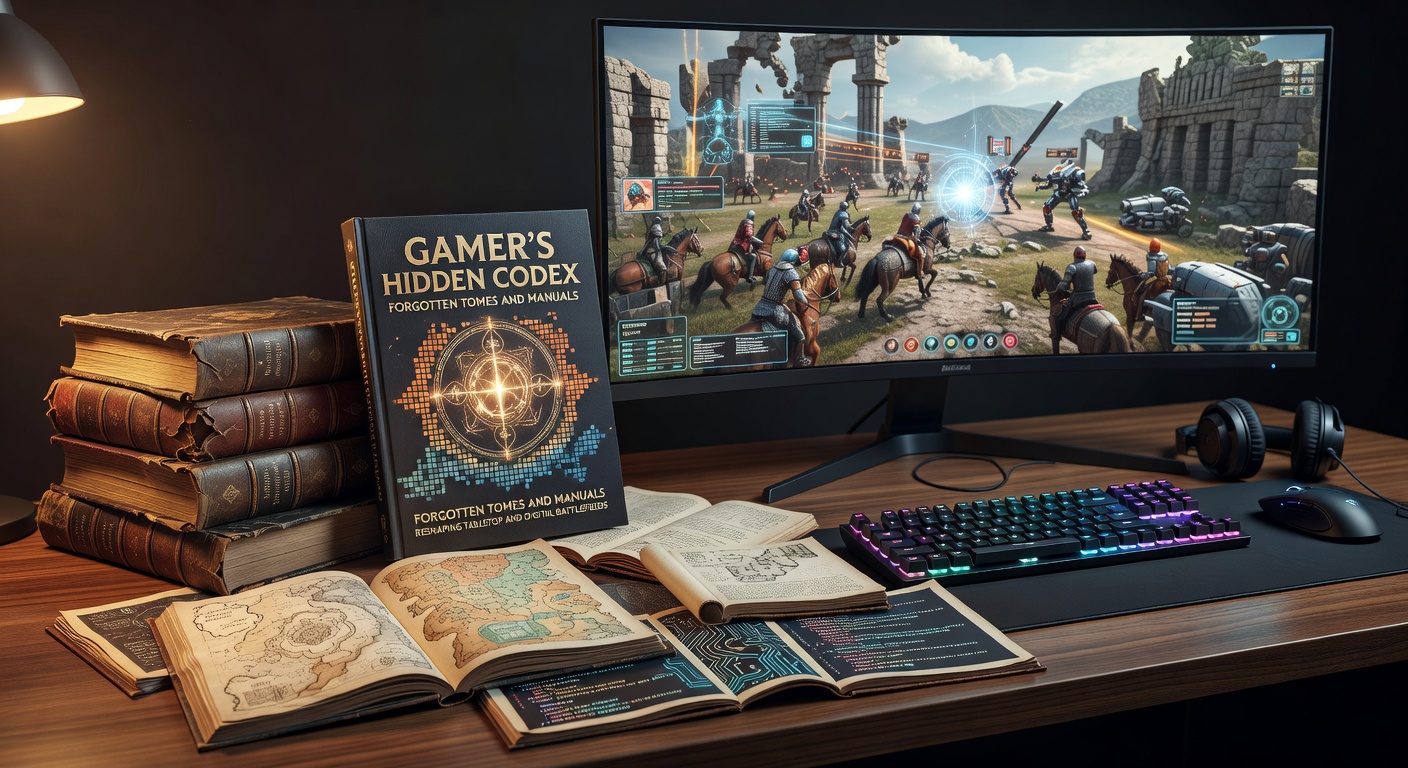
Gamer's Hidden Codex: Forgotten Tomes and Manuals Reshaping Tabletop and Digital Battlefields
The Unearthed Archives Fueling Modern Game Design
Researchers trace the roots of today's gaming revolutions back to dusty shelves lined with yellowed paperbacks and spiral-bound rulebooks, where forgotten tomes from the 1970s and 1980s hold mechanics that developers now adapt for both tabletops and screens. These hidden codexes, often overlooked amid flashy new releases, provide raw blueprints for emergent gameplay; experts note how original Dungeons & Dragons manuals, printed in limited runs, introduced procedural generation concepts long before algorithms powered roguelikes like Hades. Data from the Entertainment Software Association reveals that 65% of U.S. gamers in 2025 engaged with titles drawing from classic tabletop systems, a trend carrying into 2026 releases.
But here's the thing: these manuals didn't just sit idle; communities of archivists and indie creators scanned, digitized, and dissected them, turning arcane text into accessible PDFs shared across forums. One observer points to the 1974 Dungeons & Dragons White Box, a 44-page pamphlet that birthed hit points and character sheets, now echoed in digital CRPGs such as Disco Elysium, where dialogue trees mimic old-school referee notes. And while enthusiasts reprint facsimiles, publishers like Wizards of the Coast reissue them with annotations, bridging eras seamlessly.
Tabletop Revivals: From Basement Printings to Crowdfunded Hits
Indie designers scour library sales and estate auctions for out-of-print wargame manuals like Chainmail (1971), which fused medieval combat with fantasy elements; those pages detailed grid-based movement that influences modern skirmish games such as Mantic Games' Kings of War. Crowdfunding platforms report surges in projects referencing these sources—Kickstarter data shows over 200 tabletop campaigns in 2025 citing vintage rulesets, raising millions collectively. Take Five Torches Deep, a 2020 micro-RPG that condenses early D&D volumes into 28 pages; players report it streamlines sessions while retaining procedural depth, much like the originals.
What's interesting emerges when groups adapt these tomes for virtual tabletops; tools like Roll20 integrate scanned manual excerpts, allowing remote play that mirrors 1980s kitchen-table sessions. Experts who've cataloged this shift observe how Traveller (1977), with its sector-mapping tables, inspires starship builders in games like Stars Without Number, where random generation tables produce unique galaxies on demand. Yet the real power lies in accessibility—digital reprints make once-rare books available globally, fueling a renaissance in local game stores.
- Original Boot Hill (1975): Western shootouts via quick-resolution charts, revived in Deadlands variants.
- Gamma World (1978): Post-apocalyptic mutation tables shaping Mutant Year Zero.
- Top Secret (1980): Espionage skill systems echoed in Blades in the Dark crews.
Digital Echoes: Strategy Guides That Coded the Future
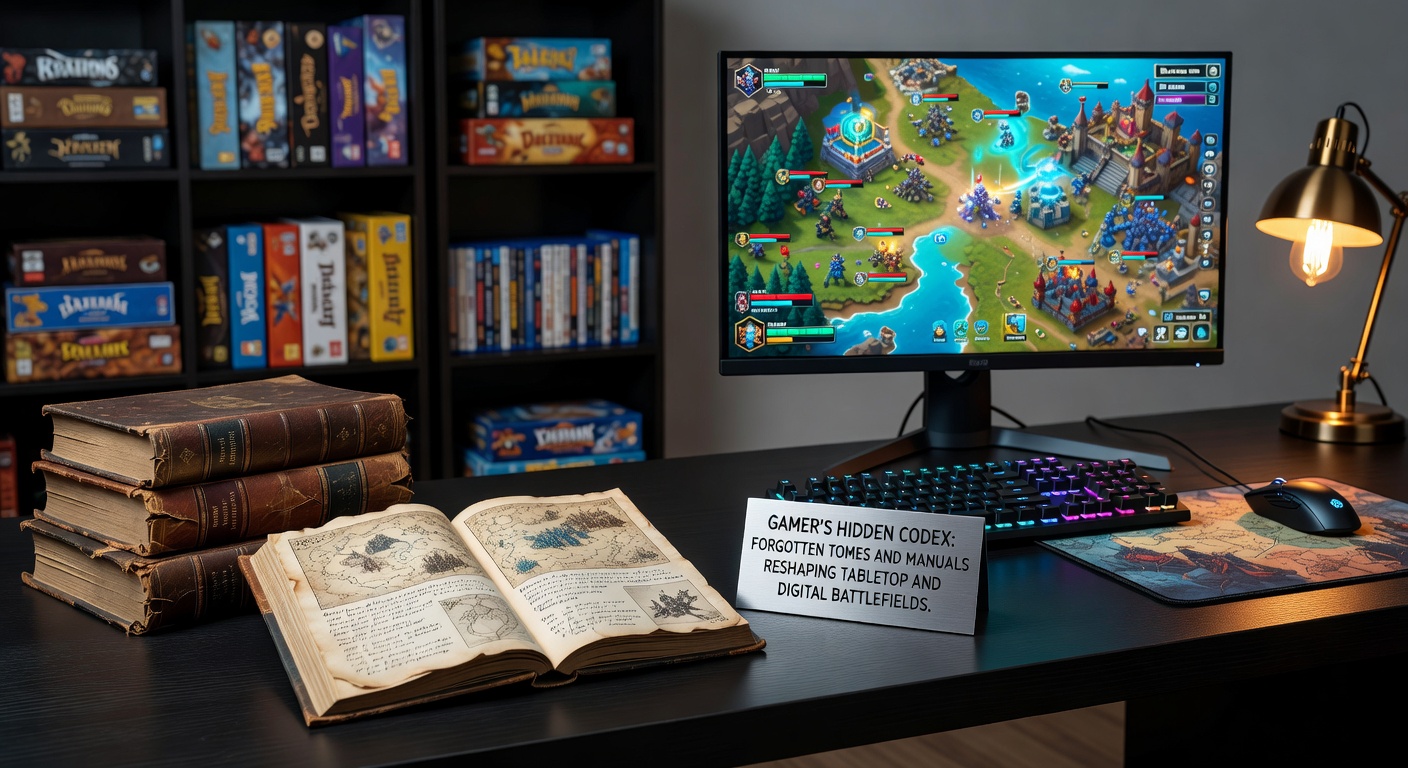
Turns out, video game manuals from the NES era pack denser lore than many modern wikis; Nintendo Power's 1989 Final Fantasy guide, with hand-drawn maps and boss weaknesses, prefigured walkthrough sites while teaching resource management that persists in Fire Emblem series. Developers at studios like Supergiant Games credit such documents for inspiring narrative layering, where players consult in-game codexes reminiscent of physical tomes. A 2024 IGDA report on game design history highlights how Ultima manuals (1981 onward) embedded ethical dilemmas via virtue systems, mechanics now central to Baldur's Gate 3.
So programmers dissect these artifacts for AI behaviors; the Rogue (1980) manual's level design algorithms surface in Spelunky 2, generating endless dungeons that feel handcrafted. Observers note a spike in April 2026, when PAX East showcased Echoes of Avalon, a tactics game pulling hex-grid combat straight from Advanced Squad Leader (1985), blending it with procedural storytelling. And while emulators preserve the games, fans OCR manuals into searchable databases, enabling modders to import rules into engines like Unity.
People who've modded classics often discover hidden synergies; Wizardry (1981) party management tables inform Divinity: Original Sin 2 co-op dynamics, where environmental interactions stem from old trap-disarm charts. This cross-pollination extends to mobile battlefields too—Slay the Spire deckbuilders owe lineage to collectible card game precursors like Illuminati (1982), with probability tables dictating meta strategies.
Case Studies: Tomes That Crossed the Divide
Consider the resurgence of Gary Gygax's Monster Manual (1977); its ecological bestiaries guide procedural enemy placement in No Man's Sky updates, where alien behaviors emerge from similar randomization. One team at Hello Games confirmed in devlogs that they referenced it for biodiversity simulations, creating worlds that evolve unpredictably. Similarly, Call of Cthulhu (1981) sanity mechanics haunt horror titles like Dead Space remakes, with escalating madness tied to encounter logs.
Now pivot to wargaming heavyweights: Squad Leader (1977) impulse movement systems underpin real-time strategy in Company of Heroes 3, released amid 2023's tactical boom. Data indicates crossover players—those dipping into both formats—grew 40% per Steam surveys, as virtual tabletops host simulations of historical battles from PanzerBlitz (1970). It's noteworthy that April 2026's Gen Con previewed Forgotten Realms Tactics, fusing AD&D 1st edition lore with blockchain ownership of digital manuals, though purists stick to print facsimiles.
But challenges persist; copyright hurdles limit full digitization, so fan translations fill gaps, like Japanese Dragon Quest guides influencing Octopath Traveler. Researchers at ACM Digital Library proceedings document how these efforts preserve cultural artifacts, ensuring mechanics endure.
Community-Driven Preservation and Future Horizons
Archival projects thrive online; sites like the Internet Archive host 10,000+ scanned manuals, with download spikes during lockdowns that never fully ebbed. Enthusiasts form guilds to verify errata, turning errors into features—as in Tunnels & Trolls (1975) solo adventures, where ambiguous dice rolls spark house rules adopted by Dwarf Fortress procedural narratives.
Yet forward momentum builds; AI tools now parse old texts for pattern extraction, generating variants that power procedural quests in upcoming titles. Observers predict this codex revival will peak at 2026's Tabletop Gaming Expo, where panels dissect influences on VR battlefields. The reality is, these forgotten pages don't just reshape games—they redefine how creators iterate, blending analog grit with digital polish in ways that keep battlefields fresh.
Conclusion
From yellowed pages emerge blueprints that connect eras, as tabletop manuals fuel digital innovations and vice versa; data underscores their enduring impact, with communities ensuring no tome stays truly forgotten. As April 2026 unfolds with hybrid events blending formats, the hidden codex proves its weight, arming gamers across battlefields old and new.